
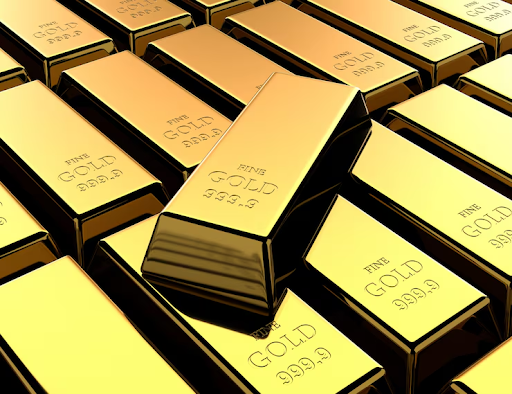
Global financial markets entered turbulent waters as precious metals experienced a historic reversal, with gold dropping 8% to $4,465 an ounce on Monday. The decline represents a sharp departure from the record-setting trajectory that carried gold to nearly $5,600 last week. Silver traders faced even more severe conditions, with the metal falling 7% on Monday after already suffering a catastrophic 30% loss on Friday.
The trigger for this market upheaval emerged from President Trump’s Friday announcement selecting Kevin Warsh as his nominee for Federal Reserve chair. Warsh, who previously served as a Fed governor and maintains a respected reputation in central banking circles, represents a stark contrast to potential nominees perceived as politically motivated choices. His selection to succeed Jerome Powell in May, contingent on Senate confirmation, has fundamentally altered market expectations about Fed policy direction.
Investors had positioned heavily in precious metals as protection against scenarios involving Fed independence erosion and mounting geopolitical tensions. The Warsh nomination effectively removed a key pillar supporting these defensive positions, prompting what Pepperstone’s Michael Brown characterized as a meltdown in metals markets. The speed and severity of the reversal caught many traders off-guard, particularly those who had accumulated positions during the recent rally to record highs.
Equity markets worldwide reflected the commodity market stress, with US index futures pointing to losses approaching 1% and European benchmarks declining in opening trading. Mining companies with precious metals exposure faced particularly acute selling pressure, with several major firms losing more than 5% of their value. The selloff’s reach extended to energy markets, where oil prices fell 5% amid signs of easing tensions between the United States and Iran.
Despite the brutal short-term correction, market analysts remain divided on longer-term prospects for precious metals. Deutsche Bank maintains its forecast for gold reaching $6,000 this year, while Jefferies analysts suggest the recent selling has eliminated weaker speculative positions without fundamentally altering the bullish case. The metals’ substantial year-over-year gains suggest underlying demand remains robust despite the recent volatility.