
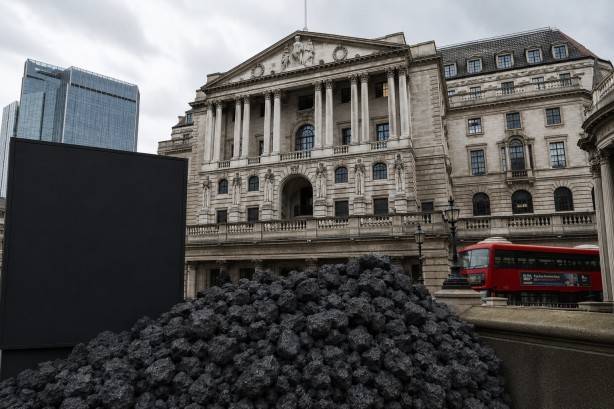
The Bank of England has taken a notable stride in its climate action strategy by announcing a new policy that will take effect in October. This policy involves ceasing the acceptance of bonds tied to thermal coal companies as collateral in its lending operations. This move is designed to mitigate climate-related financial risks that the central bank faces as the global transition towards cleaner energy sources accelerates.
Commercial banks, including some of the major lenders, often use bonds as collateral when borrowing from the central bank to facilitate their daily operations and ensure smooth transaction settlements. However, under the Bank of England’s new guidelines, bonds associated with thermal coal—widely used in power plants to generate electricity—will no longer qualify as acceptable collateral.
The central bank has identified that companies dealing in thermal coal are increasingly vulnerable to financial risks due to the global shift towards net-zero emissions. As nations ramp up their efforts to adopt cleaner energy solutions, assets linked to coal are likely to depreciate in value, posing a risk to investors. To safeguard its balance sheet from potential losses, the Bank of England’s policy also includes provisions to apply discounts to bonds from sectors similarly exposed to climate-related risks.
Environmental advocacy groups have expressed strong support for the Bank of England’s decision, viewing it as a powerful message to financial markets that could prompt commercial banks to reassess their involvement with industries known for high pollution levels. This stance aligns with a broader trend where over 150 significant financial institutions globally have already set limitations on business dealings with the thermal coal sector.
Experts suggest that the true impact of the Bank of England’s policy will be contingent upon the methodologies used to evaluate climate risks and the potential expansion of similar regulations to encompass other environmentally detrimental activities in the future. This move represents a critical step in the ongoing effort to combat climate change through financial sector reforms.