
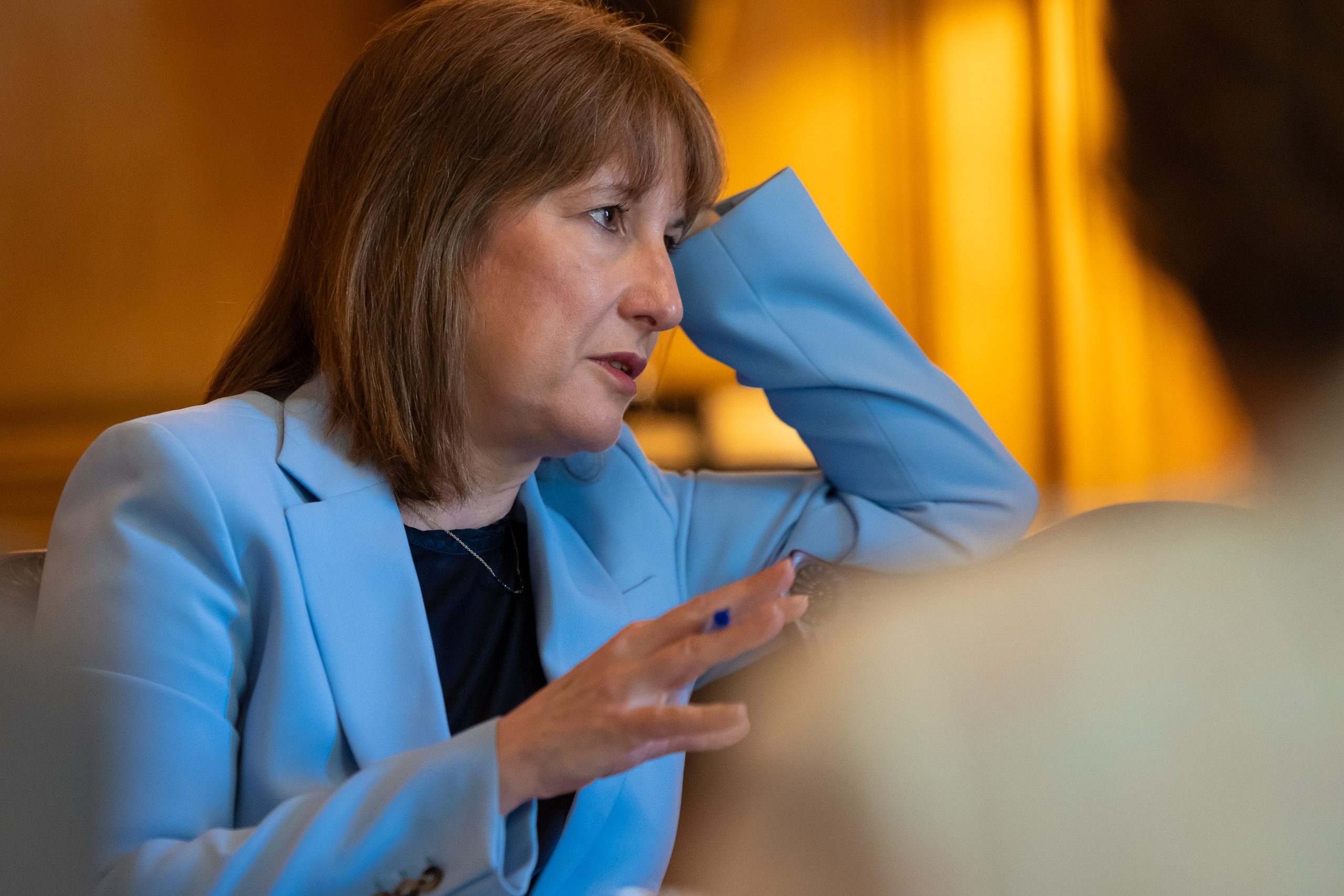
Chancellor Rachel Reeves unveiled a dual-track budget strategy combining significant tax increases totaling £26 billion with immediate cost-of-living relief measures, including a £150 reduction in annual energy bills. The announcement came amid extraordinary circumstances after budget documents were accidentally published early by the Office for Budget Responsibility, creating market volatility and political controversy before her scheduled parliamentary speech.
The chancellor framed her fiscal package as essential medicine for ailing public finances while simultaneously providing relief to struggling households. Reeves committed to reducing inflation and investing in long-term infrastructure projects that would strengthen Britain’s economic foundations. Her approach attempts to demonstrate that fiscal responsibility and social support can coexist within a coherent economic framework.
A defining feature of the budget is the removal of the two-child benefit cap, responding to sustained pressure from Labour backbenchers concerned about child poverty levels. This policy reversal will improve conditions for 450,000 children currently living below the poverty line. When considered alongside complementary welfare measures, the initiative represents the largest reduction in child poverty achieved within a single parliamentary term since government records began tracking such statistics.
The revenue-raising strategy relies heavily on a three-year extension of frozen personal tax thresholds, generating £15 billion as more workers find themselves pushed into higher tax brackets through wage inflation. Supplementary measures include capping tax-free pension contributions at £2,000 from 2029, expanding gambling taxation, introducing mileage-based fees for electric vehicles, and implementing a council tax surcharge on expensive properties. These actions convert a projected £4 billion shortfall into a £22 billion safety margin exceeding financial expectations.
To cushion the impact of tax increases, the chancellor announced freezes on rail fares, fuel duty, and prescription charges alongside the headline energy bill reduction achieved by eliminating green levies. These measures should collectively reduce headline inflation by 0.3 percentage points despite current rates of 3.6% remaining well above the government’s 2% target. Economic growth projections, however, reveal challenges ahead, with 2026 forecasts downgraded from 1.9% to 1.4%, though government borrowing is expected to decline substantially from 4.5% of GDP to 1.9% within five years.