
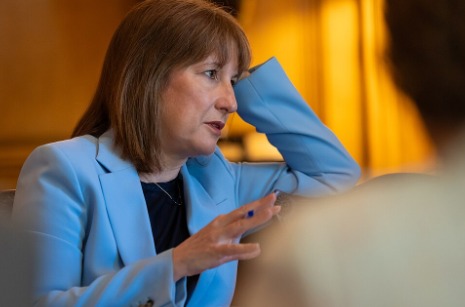
The UK Treasury has signaled its readiness to participate in a coordinated international release of oil reserves to combat the skyrocketing costs triggered by the Middle East war. Chancellor Rachel Reeves confirmed she has been in talks with G7 finance ministers to discuss the deployment of International Energy Agency (IEA) stocks. This move is seen as a “break glass” measure to prevent the global economy from sliding into a recession caused by the US-Iran military escalation.
While global oil prices briefly touched $119.50, they saw a sharp correction after political signals from the US suggested a potential for a shorter conflict. However, the volatility remains a major concern for the UK, where petrol and diesel prices are a primary driver of consumer inflation. The Chancellor has warned that even if crude prices stabilize, the delayed impact on supply chains will keep inflation higher for longer than previously forecasted.
A significant portion of the UK’s energy vulnerability stems from the 20% of global gas that passes through the Strait of Hormuz. Iranian officials have made it clear that they view energy exports as a lever of war, using the threat of disruption to pressure the international community. This has left UK ministers scrambling to find ways to “mitigate” the impact on upcoming domestic energy bills, which are already at historically high levels.
The social impact of the war is also becoming a major talking point in Parliament, with over 40 Labour MPs calling for help for rural constituents. These residents, who rely on heating oil, are currently facing price hikes of up to 117% without the protection of an energy cap. The call for a “rural strategy” highlights the uneven distribution of the economic burden across the country during global crises.
Ultimately, the government’s message is one of cautious preparation. Prime Minister Keir Starmer has stated that the UK’s energy system is more secure than it was during the Russia-Ukraine war, but he admits that no nation is immune to the “global shock” of a Middle East conflict. As the world watches the developments in Tehran and Washington, the British public is being told to brace for a challenging financial period ahead.