
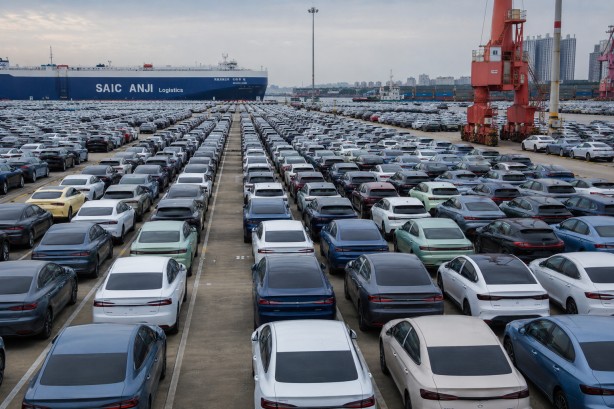
China’s swift ascent as the leading market for electric vehicles worldwide has not only propelled the growth of major automotive companies but also reshaped the global industry landscape. However, this rapid expansion has introduced challenges, notably concerns regarding overproduction capabilities and escalating competition among manufacturers.
Over the last ten years, a combination of government incentives, substantial local investments, and robust consumer interest has spurred the entry of numerous companies into the electric vehicle sector. This strategic push has not only birthed some of China’s most prosperous automakers but has also fortified the nation’s standing in battery technology and clean transportation initiatives. Yet, this aggressive growth has led to a scenario where production outpaces market demand in certain segments, triggering price wars and financial strain across the industry.
As manufacturers vie for market share, competition has intensified, prompting many to lower prices to captivate buyers. While larger companies continue to pour resources into technology advancements, production scaling, and international ventures, smaller firms find it increasingly challenging to compete. This competitive pressure has prompted concerns among Chinese officials about potential overcapacity, with warnings that unchecked expansion could pose economic risks.
Industry experts suggest that the current task lies in reconciling innovation and competitive dynamics with the need for sustainable long-term growth. Despite these challenges, China’s leadership in electric vehicles remains unchallenged. The country’s automakers are making significant strides in international markets, contributing to a transformation in the future of global transportation.