
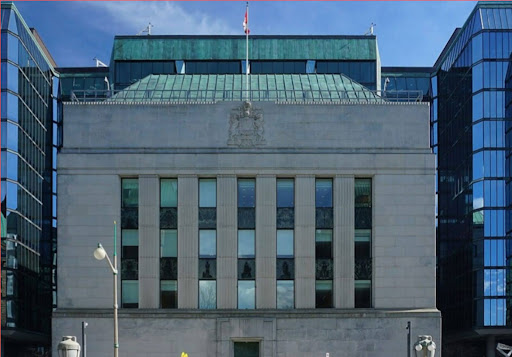
This Wednesday, the Bank of Canada is set to keep interest rates steady at 2.25 per cent, marking the third consecutive hold. However, the focus will not be on the rate itself, but on the “hawkish” language used to describe the path ahead. A recent 40 per cent jump in oil prices has reignited fears that inflation may not be as settled as previously thought.
The surge in energy costs is a direct result of the Middle East conflict, which has blocked the Strait of Hormuz. This disruption affects a fifth of the global oil supply and has already led to higher prices for air travel and gasoline. Economists warn that these costs could eventually seep into the price of food and other essential services monitored by the Bank of Canada.
Paul Beaudry, formerly of the Bank of Canada, notes that the institution is now much more sensitive to how these shocks affect public expectations. The bank wants to avoid a situation where Canadians start to expect high inflation as the new normal. To counter this, the bank will likely state that it is prepared to raise rates if price increases become broad-based.
While the 2022 inflation spike was fueled by a “perfect storm” of low rates and high stimulus, today’s context is different. The Bank of Canada currently sees significant slack in the economy, and interest rates are already at a neutral level. This suggests that the current oil shock may have a less profound impact on long-term inflation.
As the week progresses, all eyes will be on the Bank of Canada’s assessment of the duration of the energy market disruption. If the conflict persists into April, the pressure on the central bank to move beyond rhetoric and toward actual rate hikes will intensify. For now, the strategy is to maintain the status quo while keeping a firm hand on the pulse of the market.